
Roots, Rhythms & Real Work – An interview with Sabine van Giesbergen
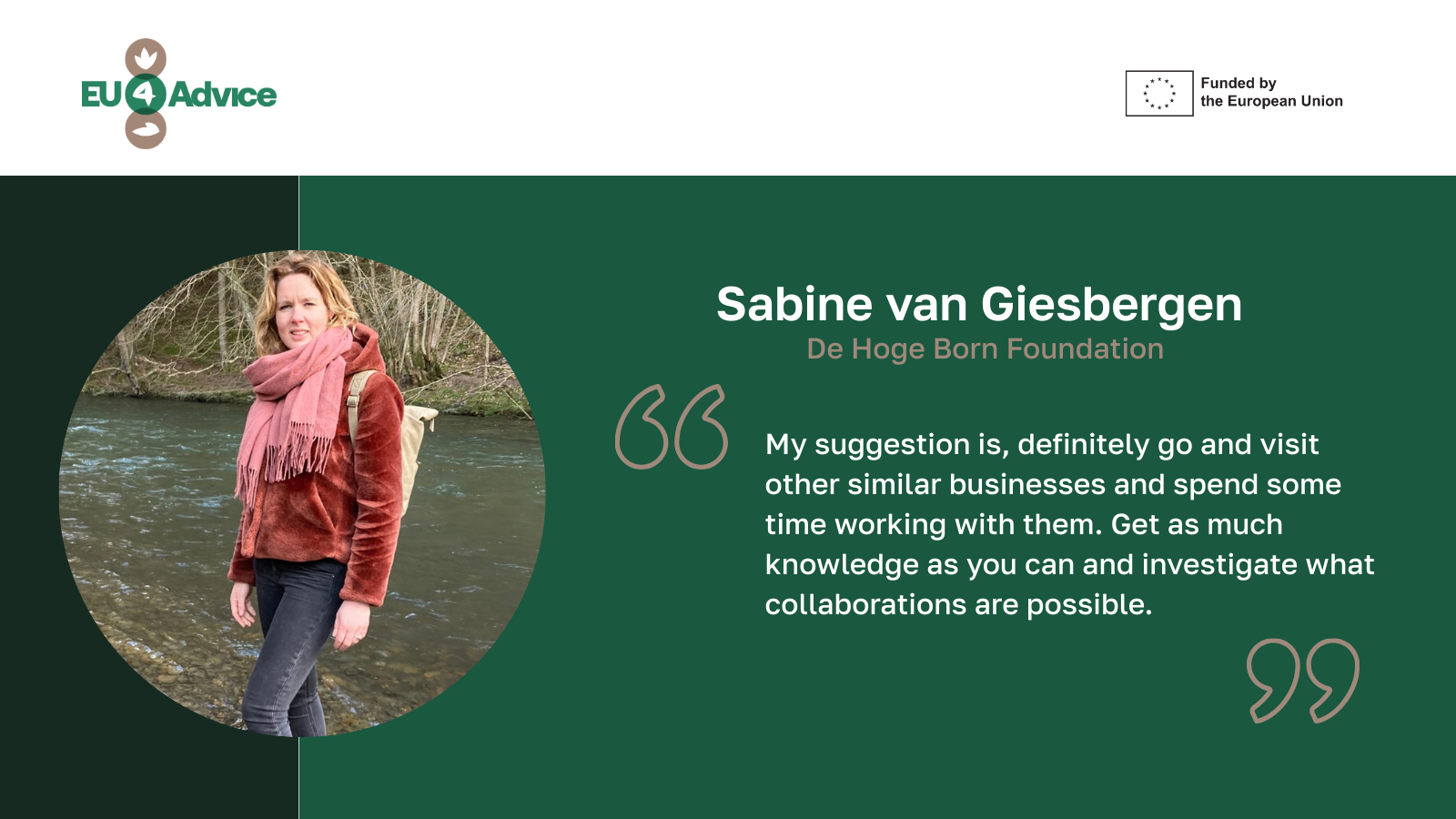
As part of the International Women’s Day week, we introduce you to Sabine van Giesbergen, who runs an organic farm that is also De Hoge Born Foundation, a place where growing food, caring for people, and building community happen side by side. She is a social farmer and producer of vegetables for her shop and shops and restaurants in the neighbourhood. Along with food production, they also deal with vulnerable target groups.
We sat down with her to talk about her work: the rules, the volunteers, even the losses, and the silent fulfilment of cooperation.
In Her Own Words
What do you produce, and who is it mainly for?
We run an organic farm where we grow seasonal vegetables and small fruits. We sell our produce directly in our farm shop and deliver every Saturday to the regional market. In addition, we supply local shops, entrepreneurs, and the hospitality sector several times a week.
What is the biggest challenge you face in your work today?
Regulations. As a foundation with a small team, we have to do just as much as a large organisation. We combine care services and farming. We work with a quality management system, and because we are a certified organic farm, we also undergo an annual SKAL inspection. In addition, we would like to increase our level of production significantly, as demand is high.
What is one of the decisions that have transformed your way of working?
The call for volunteers. Many people responded, which now allows us to get much more work done on a daily basis, continue carrying out a wide range of activities, and also enjoy the social aspect and the positive group dynamics it brings.
At what point did you realise that you required advice or external support?
The recent departure of the residential group from our site, created both a financial challenge and a practical challenge on the work floor — fewer people. We also miss the liveliness on the premises that this group brought. It was at that point we realised we couldn’t navigate everything on our own.
What kind of advice has been most useful in practice?
It is not just one piece of advice. Following on from the above, people, companies, and organisations from various backgrounds have offered help, thinking along with us and exploring possible collaborations. That broad network of support has been the most valuable thing.
What is it about your work that people hardly see or know about?
That an enormous amount of work happens behind the scenes to keep a foundation running. Many people have no idea how much is involved in managing a small organisation with so many different activities and branches.
What is the advice that you will give another producer who is just beginning?
Definitely go and visit similar businesses and spend time working alongside them. Gather as much knowledge as possible and explore potential collaborations. That is what I enjoy most – both the care contacts and the collaborations with local growers, entrepreneurs, and suppliers.