What are the Options for Regions to Strengthen Food Security in Times of Disruption?
Before the next food crisis hits, a historic session at the ERIAFF conference is exploring opportunities for food resilience, spanning Ukrainian perspectives, European case studies, and regional policymakers.
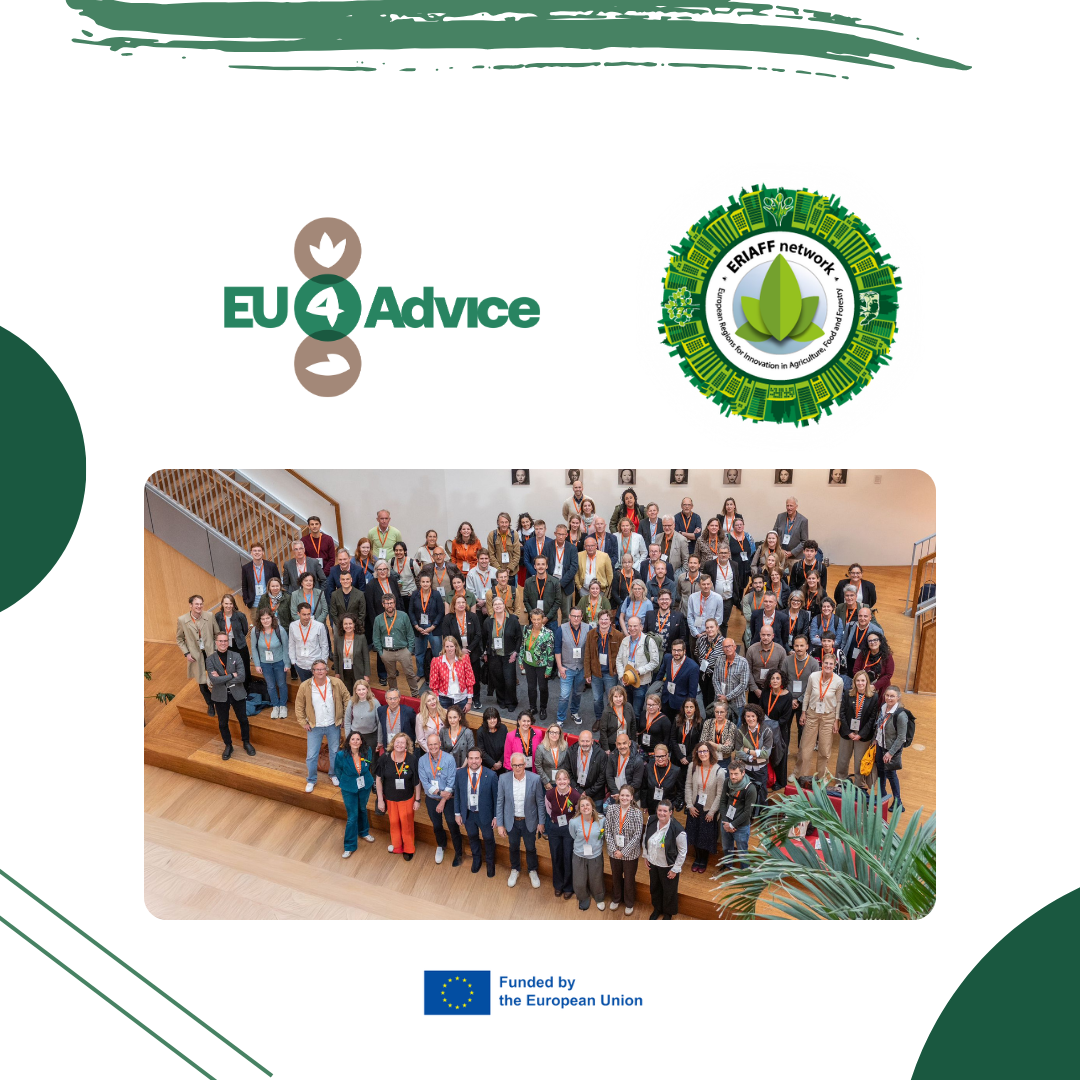
The ERIAFF annual meeting started yesterday, with participants from all over Europe, including policy makers, researchers and food system advocates. Our partner Mark Frederiks was there, and it was a day when he had the chance to engage in conversations with some of the brightest minds in shaping the future of European food policy.
Today, it’s off to one of the most pressing sessions featured at the conference. Oleksandra Avramenko and Stephanie Jongma are co-hosting a workshop on “How can regions strengthen food security in times of disruption?” This is a pertinent question that touches on geopolitics, agriculture, and regional resilience.
Short food supply chains are not only a local issue, but an important piece of the infrastructure for food provisioning in Europe.
Why is it important for the short food supply chains?
The session focuses on short food supply chains (SFSCs) which are pathways between producers and consumers in the local and regional markets. These chains provide freshness and “community value” in normal times. At the same time, they are essential to any area that is feeding itself, when there is a total disruption of the status quo, whether in the form of war, epidemic or climate change.
The argument will be reinforced by the input of expert speakers reflecting two seismic events in recent years, both of which have challenged European food systems, but with parallels to the Middle East in one case and Covid-19 in the other, which brought to light overnight the fragility of global food chains.
Five questions the session will answer
- In the short term, how did food supply fare when the disruption came?
- What did populations and farmers do — what did this show?
- What should the EU do now in response to the prospect of a potential war in the future?
- In the short-term, what was needed for Ukrainian producers to ensure food security?
- What are the long-term implications and what will change in the competition?
Developing a playbook on how to build resilience in EU regions.
The session is part of a larger and collaborative programme with a lofty goal: a resilience food playbook for EU regions (a practical and evidence-based guide that regional authorities can get their hands on when next disruption arises).
The things captured today won’t remain in the ERIAFF walls. The results will be directly input into discussions at VIV Worldwide in Utrecht where the team will look to link networks, meet thought-leaders, science communities and agribusiness partners, and implement the learnings from the workshops into lasting, cross-border action.
The programme has been created in collaboration with a group of leading European organisations, partners at EU4Advice:
EU4Advice, COREnet, Provincie Flevoland, Amped and COPA COGECA